
What Social Changes Encourage Solar Energy Storage?
Solar energy storage has moved from a niche interest to a practical household solution, driven not only by technology but by broad social changes. Communities now value self-reliance, energy awareness, and flexible lifestyle patterns more than before. These shifts transform solar battery storage from a backup tool into an everyday asset. Families prepare for outages, travelers want portable power, and homeowners look for predictable bills. Systems such as the Anker SOLIX F3000 with a 400W portable solar panel fit naturally into these evolving expectations, offering fast charging, flexible capacity, low idle draw, and dependable output. As social behaviors change, stored sunlight becomes a meaningful part of how households plan, live, and interact with energy.
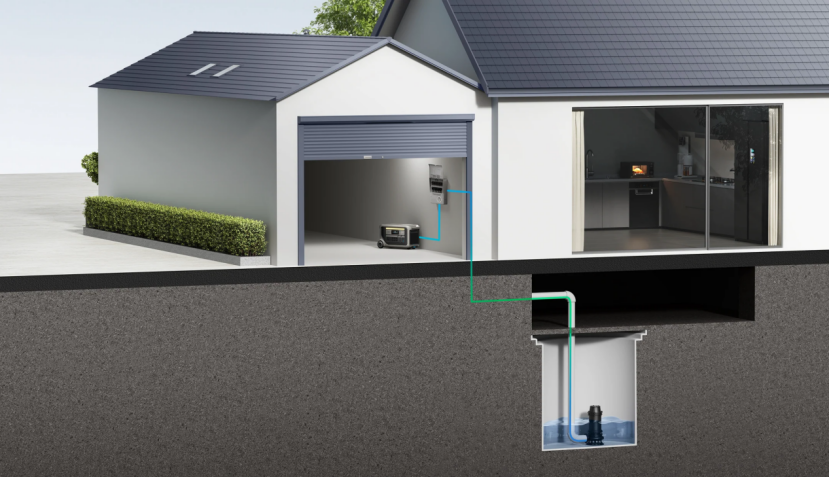
Social Trends That Increase Interest in Solar Storage
Communities Value Household-Level Resilience More Than Ever
Many households now take responsibility for their own resilience instead of assuming utilities will always meet demand. Families prepare for storms, heat waves, and grid strain by adding their own power backup. This shift takes energy reliability from a passive service to an intentional choice. The F3000’s ability to stay on standby for up to five days and keep a refrigerator running for almost two days aligns with this mindset, because users can depend on consistent power without feeling vulnerable during outages. As communities place more emphasis on personal preparedness, adopting a solar battery bank becomes less about technology and more about long-term stability.
Rising Awareness of Energy Costs Encourages Strategic Storage
Households have become more conscious of electricity spending, especially in regions with time-of-use pricing. People want greater visibility into when energy is consumed and how much it costs. Solar battery storage supports this by giving users control over when they draw from the grid, when they store power, and when they rely on sunlight. The F3000’s smart optimization lets households store off-peak energy and use it during peak hours, turning consumption into an active decision rather than a background expense. This shift from passive billing to strategic energy planning fuels the wider adoption of home solar storage.
Flexible Lifestyles Make Portable and Scalable Power More Appealing
Remote work, RV travel, outdoor recreation, and multi-location living all influence interest in modular solar systems. People want power that follows them, adapting to changing routines rather than requiring fixed installation. The F3000 travels easily thanks to portable solar input options, Anderson and TT-30R ports, and strong pass-through charging. Users who split time between homes or frequently travel appreciate energy that behaves like part of their lifestyle instead of a static utility. As mobility becomes a core social trend, the adaptability of portable solar battery banks becomes a major advantage and encourages broader adoption.
Why Changing Household Behaviors Supports Wider Solar Storage Adoption
Daily Routines Increasingly Depend on Uninterrupted Power
Home-based work, digital learning, and connected appliances now shape everyday rhythms. A brief outage disrupts more than lights—it affects communication, productivity, and safety. Solar storage bridges these interruptions by ensuring predictable energy availability. The F3000’s stable 3,600W pass-through charging means users can run devices at full speed while the system recharges, a feature that aligns well with modern routines that cannot pause. As digital life becomes central to households, people value uninterrupted power as a foundational requirement, making energy storage a natural extension of daily reliability.
Households Adopt a More Hands-On Relationship With Energy Use
Modern consumers want visibility and control over their consumption patterns rather than relying on fixed billing cycles or estimates. They track usage, compare appliances, and optimize behavior. Solar storage systems support this by giving users access to real-time data and the ability to shape their own energy flow. The F3000, when paired with its smart energy modes, makes it easy to store free solar power, allocate it to household loads, and reduce peak-hour dependence. As more households develop this proactive mindset, solar storage becomes a tool for empowerment as much as for backup.
Environmental Awareness Influences Purchasing Behavior Across Generations
Many households now make long-term decisions with sustainability in mind. Parents want to model responsible habits, young adults favor cleaner technologies, and older generations appreciate reducing reliance on fuel-based generators. Solar storage creates a sense of contribution without requiring lifestyle compromise. The F3000’s dual-voltage solar charging, fast refill capability, and efficient standby behavior make it a practical solution that fits these values. When energy choices reflect family priorities, solar storage becomes part of a shared effort across generations rather than an isolated technology purchase.

Conclusion
Social change plays a major role in the growing adoption of solar energy storage. Communities increasingly value resilience, cost control, and energy independence. Lifestyles have become more mobile, pushing demand for flexible, portable power solutions. Daily routines now depend on uninterrupted electricity, encouraging households to take a more active role in managing consumption. Environmental awareness further reinforces the shift toward sustainable energy habits. The Anker SOLIX F3000 with its 400W portable solar panel reflects these trends by offering fast solar input, reliable backup capacity, and intelligent energy optimization in a format that fits evolving expectations. As social behaviors continue to transform, stored solar energy becomes not only practical but inevitable for households seeking stability, efficiency, and long-term control.


![PAU - [ Altern@tives-P@loises ]](http://website-google-hk.oss-cn-hongkong.aliyuncs.com/drawing/179/2022-3-2/21584.jpeg "PAU - [ Altern@tives-P@loises ]")
![Good deal: 15% bonus credit on App Store cards of €25 and more [completed] 🆕 | iGeneration](http://website-google-hk.oss-cn-hongkong.aliyuncs.com/drawing/179/2022-3-2/21870.jpeg "Good deal: 15% bonus credit on App Store cards of €25 and more [completed] 🆕 | iGeneration")



Related Articles