
How Good Is Action Camera Audio in Windy Conditions?
Action cameras excel in capturing intense and adventurous moments, but audio quality can often fall short, especially in windy conditions. Addressing this issue is crucial for vloggers, travel enthusiasts, and creators who depend on high-quality sound to match their stunning visuals. Different camera models tackle wind noise with varying levels of success. For instance, the Insta360 Ace Pro 2 uses an integrated Wind Guard and updated audio algorithms to minimize this disruption. This blog explores the challenges wind poses to action camera audio and covers effective solutions to enhance sound quality in even the windiest settings.
Why Does Wind Severely Affect Action Camera Audio?
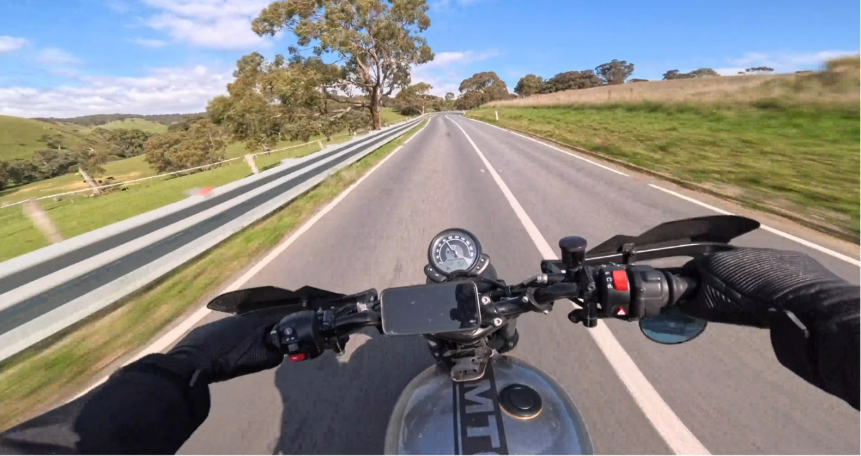
Wind presents a significant obstacle to audio clarity in action cameras. When air moves rapidly across a microphone, it creates turbulent sounds that overshadow the intended audio. Microphones pick up wind noise because they are typically omnidirectional, designed to capture sound from all directions. Sadly, they cannot differentiate between desirable sounds and disruptive noises like wind. Besides, action cameras are often mounted in exposed locations, increasing their susceptibility to wind. As a result, even slight gusts can produce unwanted noise, turning an otherwise cinematic scene into a distraction. Understanding the technical reasons behind this can guide users to adopt strategies to mitigate the impact of wind on their audio.
How Modern Action Cameras Reduce Wind Noise?
Modern action cameras have begun implementing innovative solutions to counteract wind noise effectively.
Wind Noise Reduction Algorithms and AI Processing
Manufacturers employ advanced algorithms and AI to minimize wind noise interference. These software solutions work by distinguishing between ambient audio and disruptive wind sounds. Cameras like the Insta360 Ace Pro 2 leverage audio algorithms that enhance clarity and reduce unwanted noise. These technologies identify unwanted patterns and adjust the recording process actively, resulting in cleaner sound. AI aids in real-time processing, filtering, and adjusting frequencies to ensure that conversations and environmental sounds remain intelligible. By doing so, manufacturers are paving the way for an elevated audio experience, even in challenging weather.
Microphone Design, Placement, and Physical Barriers
Microphone design is crucial in combating wind noise. Strategic placement and innovative designs, such as built-in Wind Guards seen in models like the Insta360 Ace Pro 2, help reduce interference from the wind. Physical barriers like the Wind Guard deflect or dampen wind, preventing it from reaching the microphone directly. Furthermore, cameras are increasingly designed with consideration for microphone orientation and housing that shields against direct exposure. If you're evaluating the most recommended action camera, paying attention to microphone design and built-in wind protection features can make a noticeable difference in audio performance. These design adjustments collectively form a defense mechanism against wind, allowing creators to capture audio that complements their visuals beautifully, regardless of external disturbances.
How to Improve Action Camera Audio in Wind?
Action camera users can adopt several strategies to improve audio capture in windy conditions.
Use Windscreens, Foam Covers, and Windshields
Applying external accessories like windscreens, foam covers, and windshields effectively reduces wind noise. These tools create a barrier between the microphone and the wind, dampening the effect of turbulent air. Designed for easy use, foam covers can slip over the camera’s microphone, providing immediate improvement. Windscreens are particularly effective due to their composition, which absorbs and disperses wind energy. They are ideal for adventures where weather conditions are unpredictable. Windshields serve a similar purpose, acting as buffers that reduce noise without compromising audio fidelity. Employing these accessories ensures that outdoor recordings maintain a high standard of sound quality.
Choose Better Mic Placement and Reduce Exposure
Strategic microphone placement plays a vital role in enhancing audio quality. Avoiding direct exposure to the wind is key. Consider placing the camera in areas shielded from gusts, like behind rocks or foliage, when possible. Moreover, adjusting the angle of the camera’s microphone away from the wind direction can alleviate noise capture. Some models allow for detachable or remotely placed microphones, providing flexibility in positioning. Using body mounts rather than external mounts can also reduce exposure, as the body offers natural wind resistance. These techniques minimize sound disruption, enabling users to focus on the scene and narrative without audio concerns.

Upgrade to External Microphones and Accessories
Investing in external microphones can significantly improve audio despite windy conditions. External mics, especially those designed for challenging environments, offer enhanced audio sensitivity and noise cancellation features. They come equipped with directional capabilities, which target specific sounds while ignoring others. Additionally, accessories like dead cat windscreens designed specifically for external microphones provide extra protection. This combination decreases wind interference and improves sound integrity. Adding these tools to your recording setup can transform the audio quality and deliver cleaner, clearer results, ensuring that your visual stories are matched by equally compelling soundscapes.
Conclusion
Action camera audio quality, especially in windy conditions, is an essential concern for creators seeking comprehensive coverage of their adventures. By understanding the effects of wind and the tools available, users can significantly improve their recordings. Innovations like the Insta360 Ace Pro 2’s Wind Guard demonstrate progress in this area. Users can further enhance their audio by employing practical strategies such as using foam covers, optimizing mic placement, and upgrading to external microphones. These efforts ensure your stories retain their impact, allowing the audience to experience every moment vividly, no matter the weather.


![PAU - [ Altern@tives-P@loises ]](http://website-google-hk.oss-cn-hongkong.aliyuncs.com/drawing/179/2022-3-2/21584.jpeg "PAU - [ Altern@tives-P@loises ]")

![Good deal: 15% bonus credit on App Store cards of €25 and more [completed] 🆕 | iGeneration](http://website-google-hk.oss-cn-hongkong.aliyuncs.com/drawing/179/2022-3-2/21870.jpeg "Good deal: 15% bonus credit on App Store cards of €25 and more [completed] 🆕 | iGeneration")




Related Articles