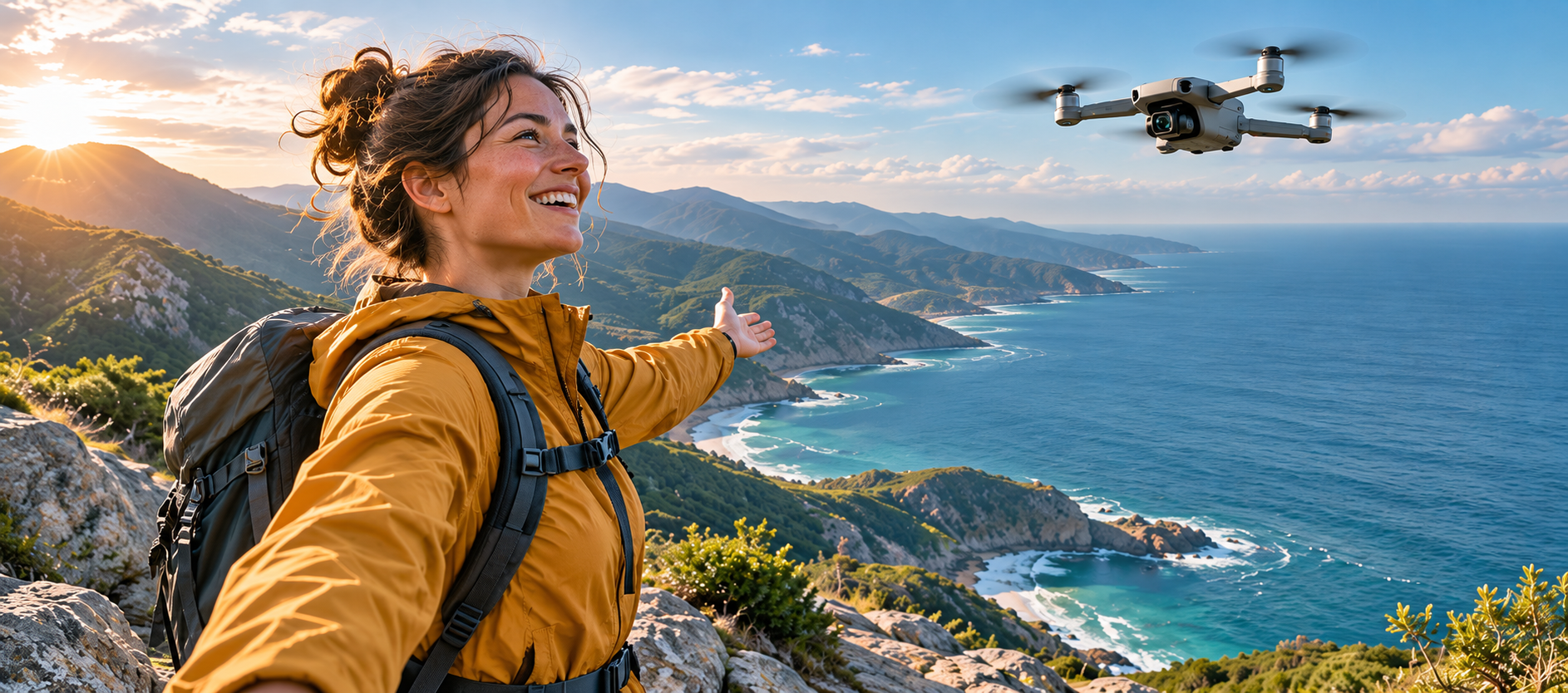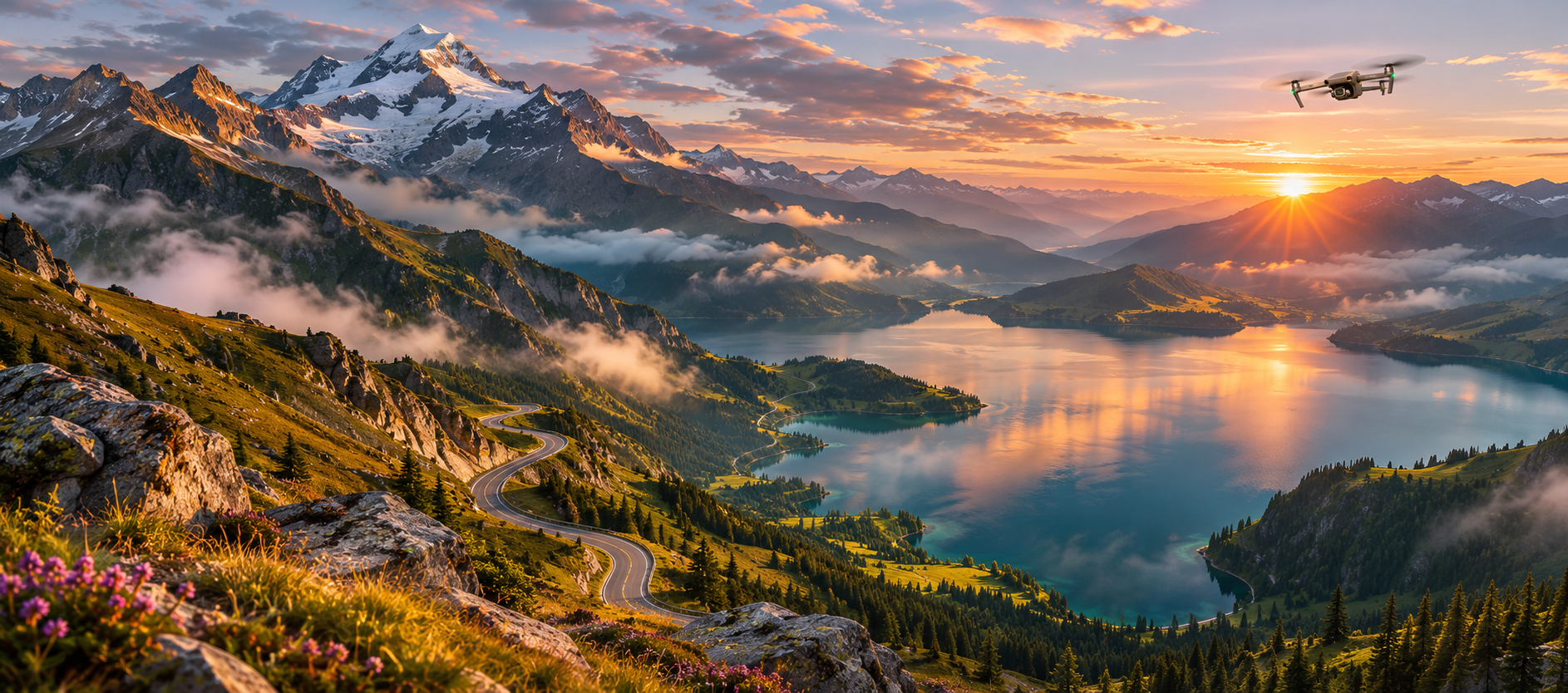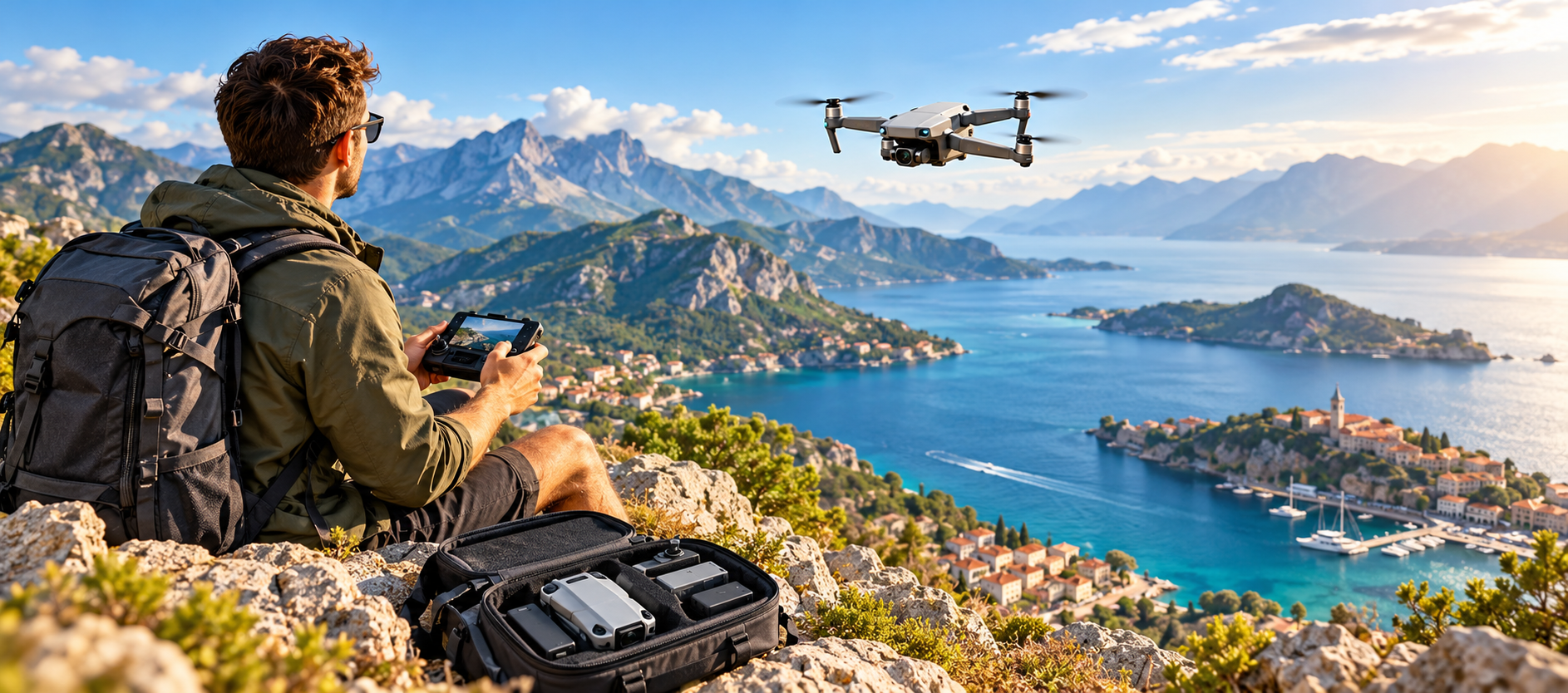
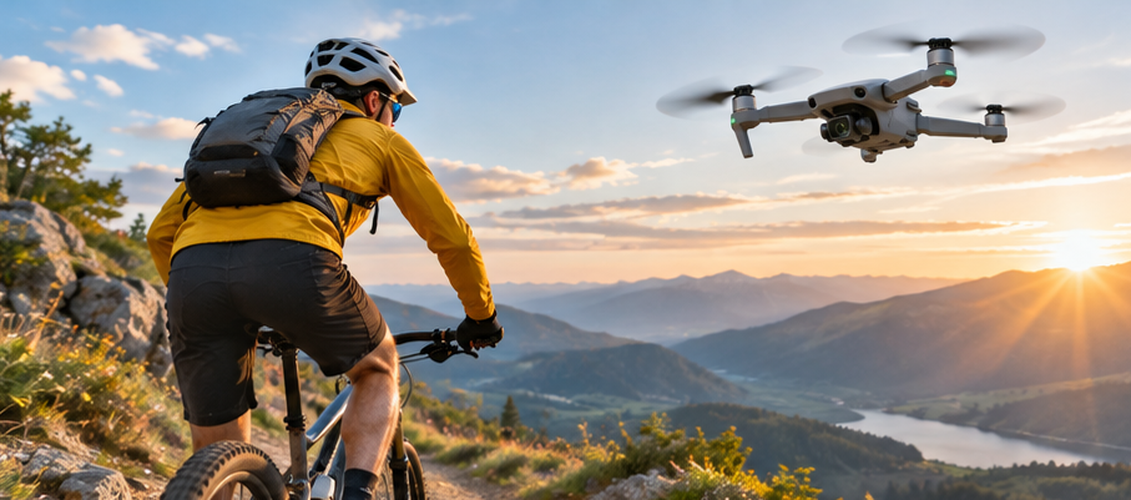
Outdoor travelers often want one drone for scenic landscapes, travel footage and fast-moving adventures. Two closely related questions follow: Which drone is best for shooting landscapes outdoors? What is the best drone for aerial photography while traveling? For both, prioritize stable imaging, practical portability and predictable flight controls; cycling, running and action sports also demand dependable tracking and realistic obstacle-sensing limits.
Beautiful scenery footage does not guarantee stable tracking through turns. This guide explains what to compare for cycling, running and outdoor filming without claiming hands-on test results.
Quick Guide: Which Follow-Me Features Fit Your Sport?
• Cycling: Choose responsive tracking with enough speed headroom, smooth cornering and good route awareness; hybrid GPS and visual tracking can be helpful.
• Running: Prioritize dependable subject recognition, consistent framing, compact size and fast setup, including palm launch where supported.
• Action sports: Look for stable high-resolution video, flexible follow angles and reliable tracking through changes in pace or terrain.
• Solo cinematic filming: Consider 360-degree recording if reframing footage after the flight matters more than a fixed camera angle.
All modes still require safe, legal flight and active supervision.
How Follow-Me Tracking Works
Visual, GPS and Hybrid Tracking
Visual tracking uses camera imagery to identify a person and adjust the drone’s position to maintain framing. It may work without a beacon, but changing light or brief occlusion can interrupt recognition.
GPS or beacon-based tracking uses location information from a compatible controller or wearable device. It helps when visual contact weakens, but positioning alone cannot ensure accurate framing.
Hybrid systems combine location cues with visual recognition. For winding cycling routes, this can improve continuity when a rider briefly passes behind vegetation. Recovery is not guaranteed; GPS does not replace obstacle avoidance.
How to Evaluate Follow-Me Performance
Tracking Speed, Acceleration and Cornering
A published maximum speed is only a starting point. Compare the speed specifically supported in follow mode—not just manual flight speed—and check whether framing remains stable as the rider accelerates, brakes or turns. Wind and elevation changes can reduce usable performance.
For cycling, look for comfortable speed headroom above your normal pace and responsive transitions through bends. For running, consistent distance and smooth changes of direction matter more than outright speed. Check independent footage rather than headline specs.
Flight Paths and Camera Framing
Rear-follow shots show the route ahead; side-follow shots emphasize movement; front-follow shots capture the athlete approaching the camera. Orbit and waypoint paths can add variety, where available, but may be unsuitable on narrow trails or near other people.
Look for smooth turns and a consistent following distance. A 360-degree camera offers another approach: capture more of the surroundings and choose the final framing in post-production, but requires more storage and editing.
Obstacle Avoidance and Tracking Recovery
Directional sensors monitor only selected areas; omnidirectional systems cover more directions and are generally more versatile when a drone moves laterally or changes position during tracking. Useful safeguards include braking, warnings and propeller guards.
Yet branches, wires, reflective surfaces and low-contrast obstacles may still be missed. Check recovery after occlusion, subject confusion and lost-target behavior. Never treat automated avoidance as a guarantee on dense forest trails.

Camera Quality, Portability and Battery Life
For sports footage, prioritize stabilization, realistic dynamic range and an appropriate frame rate before chasing resolution. 4K video is a practical baseline, while higher frame rates can improve slow-motion clips. Flexible angles also need stable, editable footage.
A compact folding body, uncomplicated tracking activation and wearable or phone-based controls can make short solo sessions easier. Wind, speed and temperature reduce endurance. Carry a spare battery and keep a landing reserve.
Best Drone Features for Different Sports

Cycling: Speed and Route Awareness
Road riding demands steady tracking at sustained speed, while mountain biking adds tight corners and changing visibility. Prioritize a dedicated cycling or action mode, good acceleration response, stable rear/side framing and broad obstacle awareness. A beacon may help when visual tracking weakens.
When comparing the best follow me drone for cycling, check supported tracking speed, cornering behavior, camera framing and sensor limitations together; the fastest advertised option is not automatically the safest or most useful.
Use open routes, not narrow trails with overhead branches.
Running: Easy Setup and Stable Framing
A runner usually needs less tracking speed but more convenience. Good AI recognition, quick launch, low carrying weight and reliable rear-follow framing are often enough for compelling footage. Palm takeoff may help with short clips, but only where the aircraft supports it and conditions are safe.
Check framing through pace changes; avoid crowded parks and events.
Action Sports: Flexible Angles and Image Quality
Skiing and snowboarding require responsive following across changing slopes; motocross adds rapid acceleration; water sports introduce glare and the risk of losing an aircraft over water. There is no universally ideal setup for all three.
High-quality stabilization, adjustable angles and 360-degree reframing can help solo creators capture more usable footage. Fast technical activities may require a dedicated pilot.
Landscape and Travel Filming Alongside Follow-Me Tracking
For landscapes, prioritize usable dynamic range, stable hovering, smooth camera movement and deliberate framing; these may matter more than top follow-mode speed. When traveling, also weigh packed size, battery and charging logistics, safe takeoff options and local flight restrictions.
A single drone may cover both scenic shots and sports tracking, but evaluate each use separately. Compare landscape footage in difficult light with real follow-mode clips through turns: strong camera quality does not guarantee reliable tracking, and vice versa.
Quick Comparison by Drone Type
These categories describe capabilities to compare, not verified rankings of individual models.
| Drone type | Best for | Strengths | Trade-offs |
| Compact AI tracker | Running, casual rides | Easy launch; light to carry | May offer limited sensing or endurance |
| Hybrid GPS + visual | Cycling, varied routes | Location assistance; flexible following | Still requires clear, safe routes |
| 360-degree tracker | Creative solo footage | Reframe action in editing | More storage and editing time |
| Larger camera drone | Controlled sports shoots | More camera control | Greater setup; often needs a pilot |
Buying Checklist
Start with your primary activity and typical speed. Then compare follow-mode limits, how quickly the drone recovers from turns or brief occlusion, and whether the available tracking angles suit your footage. Review real sample clips rather than relying only on polished promotional footage.
For a practical purchase decision, confirm sensor directions, tracking accessories, emergency-stop behavior, return-to-home options, replacement batteries and local support. If cinematic editing matters, compare frame rates, stabilization and whether 360-degree footage fits your workflow.
Budget for batteries, a case and repairs. Useful simplicity can outweigh rarely used premium features.
Safety Boundaries for Automatic Tracking
Automatic tracking does not remove the operator’s responsibilities. In the United States, recreational flyers generally must complete the TRUST test, comply with applicable registration and Remote ID rules, and maintain visual line of sight. Rules differ for non-recreational operations; check current official guidance before flying.
Follow mode does not authorize overflight of people or moving vehicles. Choose uncrowded areas, and consider a dedicated pilot for sports that make active monitoring difficult. A visual observer can assist, but does not replace the operator’s responsibility to control the aircraft.
Before each flight, check the airspace, wind, route hazards, home point, battery reserve and lost-tracking behavior. Thin branches and power lines remain significant risks even with advanced sensors. If safe supervision is not possible during an activity, do not use autonomous follow mode.
Final Verdict
For cycling, prioritize tracking speed, smooth cornering and safe route awareness; for running, favor compact setup and consistent framing; for action sports, look for stabilization and flexible camera angles. Landscapes and travel add priorities such as imaging control, packed size and charging convenience. The best fit balances those goals without confusing automatic tracking, obstacle sensing or pilot responsibility.
FAQ
What drone can follow me while I bike?
Look for a drone with enough automatic follow speed for your riding pace, responsive turns and reliable visual or hybrid tracking. For mountain biking, route openness and obstacle awareness matter as much as speed.
What is the best drone for running and automatic tracking?
A compact visual-tracking drone with smooth framing and simple launch controls usually makes sense for running. Check tracking stability when pace changes, and use it in open areas away from bystanders.
Best drone for filming action sports solo?
Choose based on the sport: speed response for skiing, stable framing for trail riding, and flexible camera angles for creative edits. 360-degree video can make reframing easier, but demanding sports may be safer with a dedicated pilot.
Can follow-me drones avoid trees and other obstacles?
Some detect obstacles in several directions and may brake or reroute, but none can reliably identify every branch, wire or reflective object. Avoid dense woods and do not rely on sensors as your only safety measure.
Can I use a follow-me drone without a remote controller?
Some systems support palm launch, visual tracking or wearable controls without a conventional handheld remote. You still need to supervise the flight, respect visual-line-of-sight rules and know how to stop or recover the aircraft.