Night aerial work begins long before the aircraft leaves the ground. During the day, the landscape explains itself. After sunset, a bright road can disappear into a black hillside, a calm-looking harbour can hide gusts, and every remaining minute of battery feels more valuable.
On a recent coastal trip, we used three different aerial setups across blue hour, city light and near-dark conditions. The purpose was not to find a universal winner. It was to learn which setup kept the crew calm, the exposure consistent and the footage useful when conditions changed quickly.
Why the workflow changes after sunset
Low light makes small mistakes visible. Fast turns create blur, aggressive corrections break a smooth move and underexposed footage leaves little room for recovery. We therefore planned fewer shots and repeated them more carefully: one establishing view, one controlled reveal and one closing frame.
The most useful night-flight setting is not a number. It is a pace slow enough to let the camera, pilot and location work together.
Before each launch we marked a clear return route, checked nearby light sources and decided when the flight would end. That final point mattered. Waiting for a battery warning in darkness is not a creative decision.
Editor picks and product comparison
Products compared in this article
Recommendations and comparison data are managed with the article and can be added, removed or reordered.
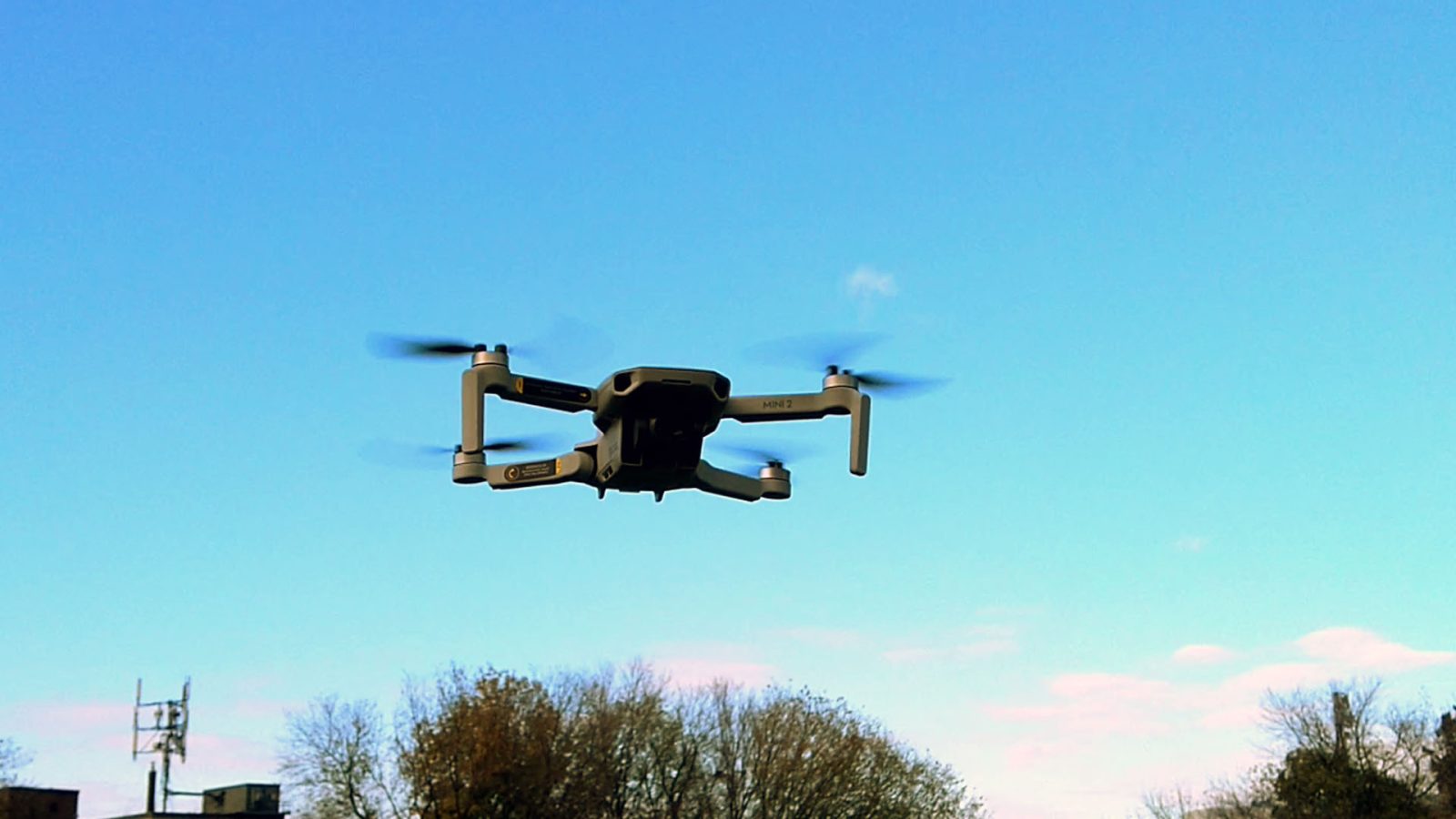
轻量旅行无人机 / Compact travel drone
快速部署、便于随身携带,适合蓝调时刻与临时出现的旅行画面。
4.6/5 128 reviews
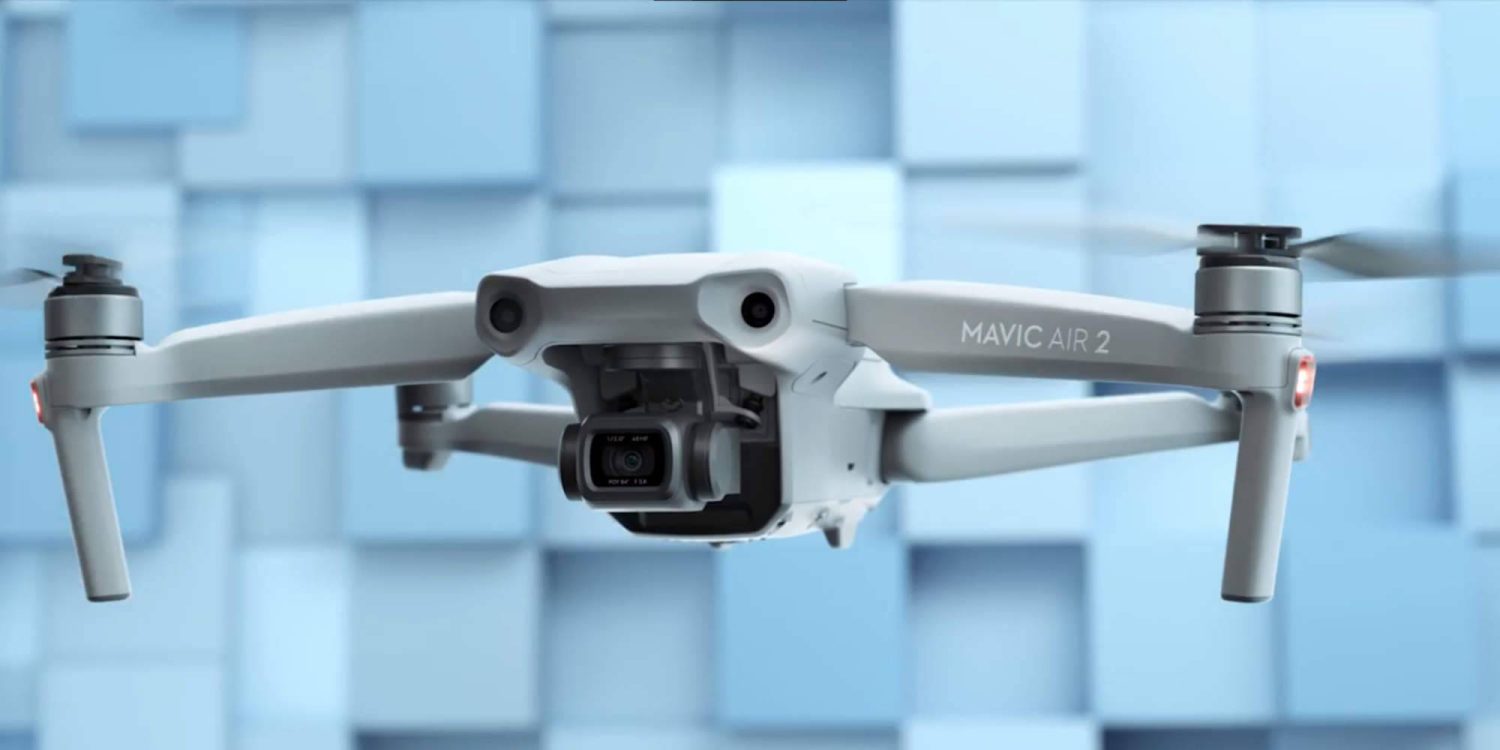
均衡型相机无人机 / Balanced camera drone
在便携、稳定和画面调整空间之间取得平衡,适合小型团队持续拍摄。
4.8/5 96 reviews
| Product |
Position |
Key features |
Score |
Price note |
|
轻量旅行无人机 / Compact travel drone
|
编辑推荐 |
携带负担较低 · 准备时间短 · 适合轻量旅行流程 |
4.6/5 |
- |
|
均衡型相机无人机 / Balanced camera drone
|
低光平衡 |
稳定输出优先 · 适应多种旅行场景 · 适合照片与视频混合任务 |
4.8/5 |
- |
|
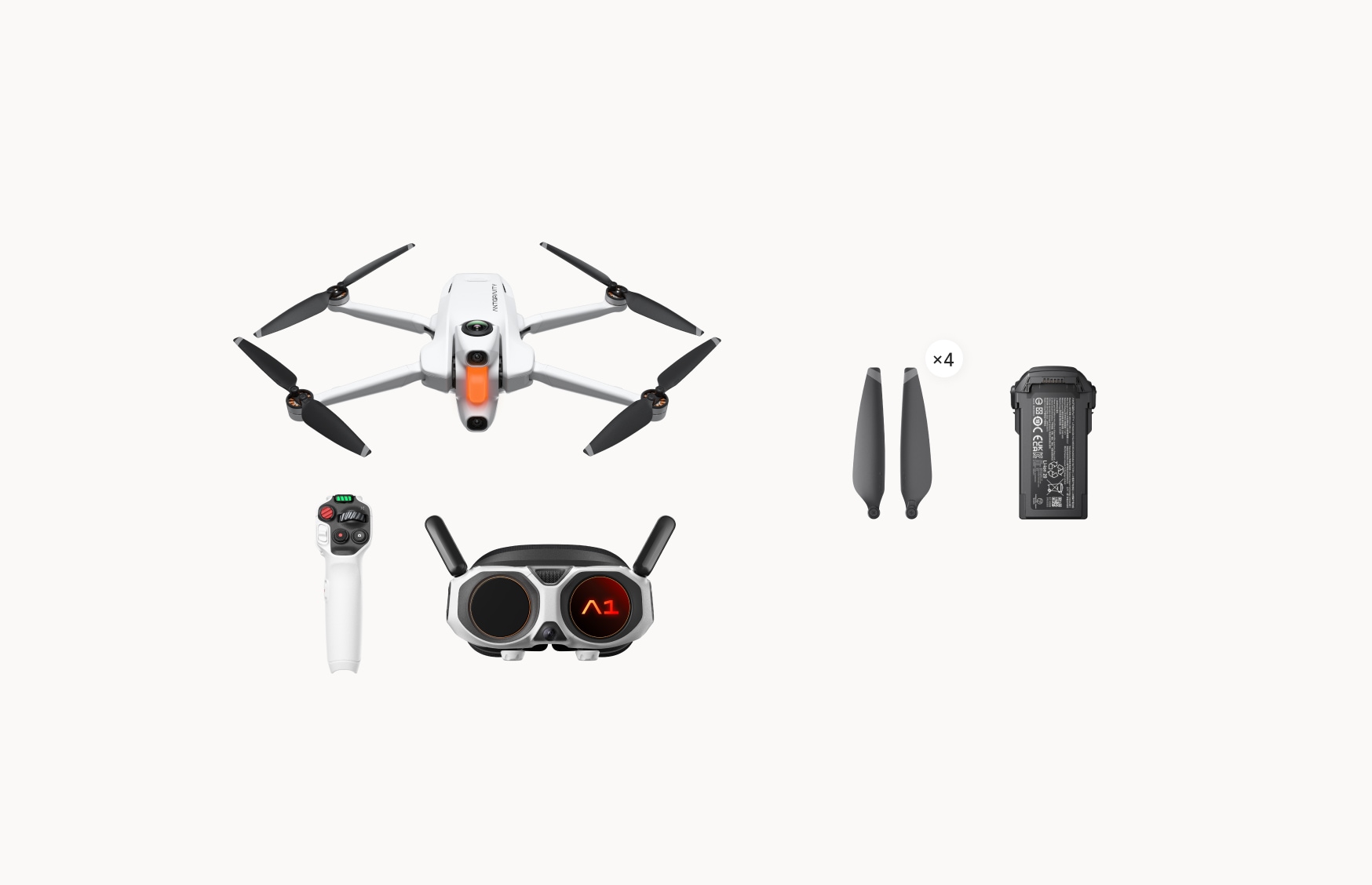
专业航拍平台 / Production aerial platform
|
计划型制作 |
完整现场流程 · 画面控制优先 · 适合团队协作 |
4.7/5 |
- |
What we learned in the field
The compact setup was the one we carried most often. It could be ready while the light was still changing, which made it useful for spontaneous city and travel scenes. Its limitation appeared when the wind increased or the darkest areas of the frame needed heavy correction.
The balanced camera drone produced the most dependable result across the trip. It required more space in the bag, but the extra stability and image flexibility reduced the number of repeated flights. For a small team, that consistency mattered more than chasing a single dramatic specification.
The production platform delivered the most controlled footage, yet it also changed the character of the assignment. Transport, setup and communication took longer. It worked best when the shot had already been planned and the location allowed a deliberate operating area.
A simple rhythm for a complete night shoot
Arrive before sunset. Use the remaining daylight to inspect the space and make the first test flight. During blue hour, capture the widest scenes while the sky still separates from the ground. Once darkness settles, shorten the shot list and focus on slow, repeatable movement around known visual anchors.
After landing, review one representative clip before leaving the location. Confirm focus, motion and highlight detail, then copy the files into a clearly named folder. A beautiful flight is only useful when the footage survives the journey home.
Final note
Night travel photography rewards preparation more than equipment accumulation. Choose the setup that fits the location, define a small number of shots and leave enough margin for a calm return. The result is usually cleaner footage and a far better evening in the field.